


The psychology behind gambling Why do we take risks Pin Up Casino
The Thrill of Uncertainty
The allure of gambling often stems from the thrill of uncertainty. People are inherently drawn to situations where outcomes are unpredictable, providing a rush of adrenaline. This psychological response can be linked to the brain’s reward system, which releases dopamine when an individual anticipates a reward. In the context of gambling, whether it’s spinning a slot machine or placing a bet on a game, this anticipation triggers excitement. The thought of potentially winning can become an addictive cycle, as the excitement stimulates repeat behavior, encouraging players to engage more often. This is where platforms like Pin Up come into play, offering a variety of games that amplify this experience.
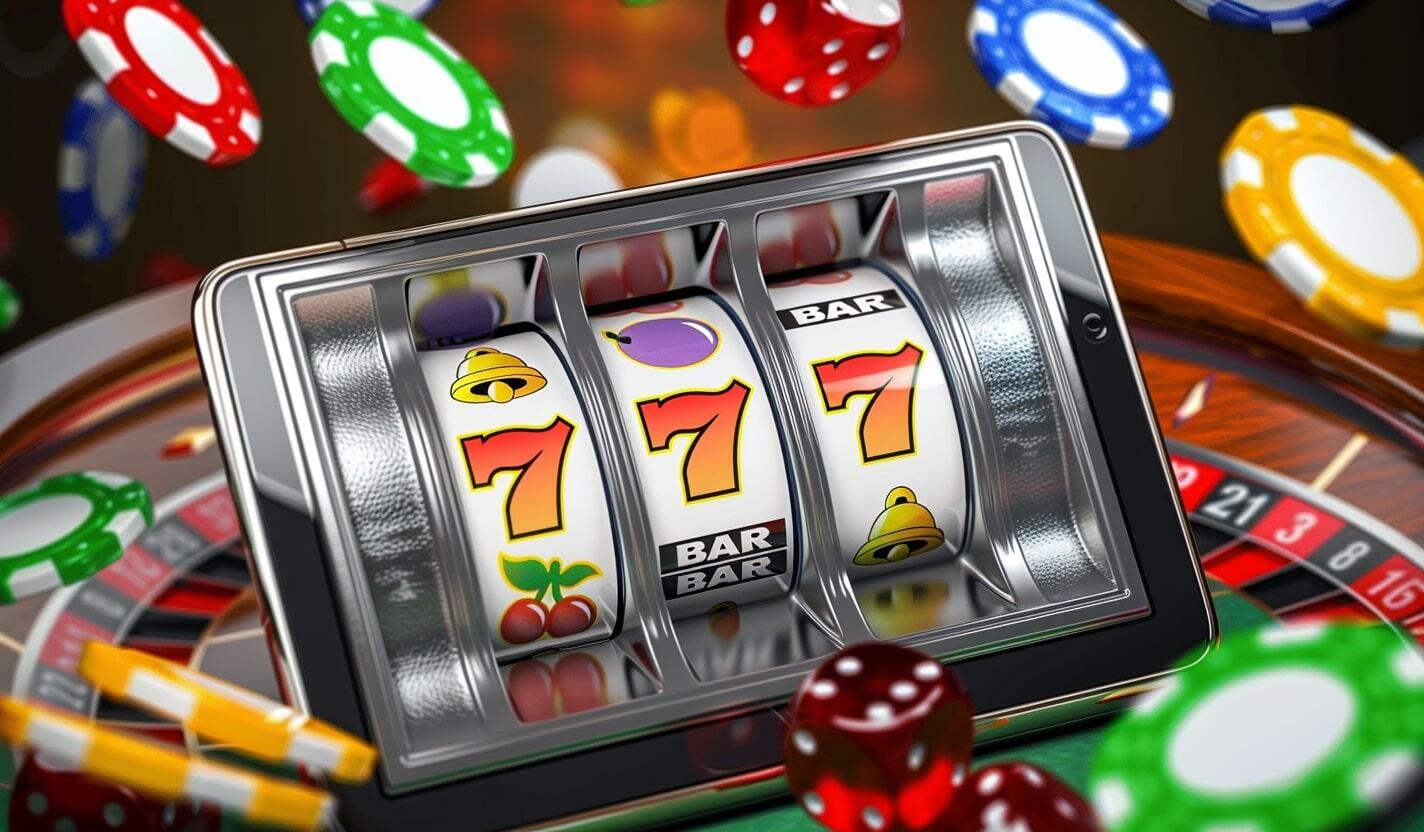
This sense of uncertainty also plays into the natural human inclination to seek out challenges. The brain perceives risk-taking as a form of problem-solving, and for many, overcoming the odds can be a fulfilling endeavor. With online platforms like Pin Up Casino, the risk of losing money is counterbalanced by the potential for substantial rewards. Gamblers often recount moments of suspense where the last card or spin could lead to victory, heightening their engagement and commitment to the game.
Moreover, this thrill is not exclusive to casual players; many high-stakes gamblers, including celebrities, thrive on high-risk situations. Their stories often highlight the extreme emotions involved in gambling—whether it’s winning a significant sum or facing a devastating loss. The psychology behind their actions reveals that taking risks, for many, is more than just about the money; it’s about the emotional journey, the highs, and lows that come with it.
The Role of Cognitive Biases
Cognitive biases significantly influence our gambling behavior, often leading to irrational decision-making. One prevalent bias is the “gambler’s fallacy,” which is the belief that past outcomes affect future probabilities in games of chance. For instance, a player might think that a particular slot machine is “due” for a payout after a long streak without wins. Such misconceptions can propel individuals into continued play, as they feel an emotional connection to previous outcomes, which distorts their logic and encourages further risks.
Additionally, the “illusion of control” is a cognitive bias where individuals believe they can influence outcomes in games that are fundamentally random. This is particularly evident in table games like poker, where skill plays a role, but luck is a significant factor. Gamblers may feel that their decisions can sway the game’s direction, fostering a sense of empowerment and responsibility. This belief can lead to increased bets and more substantial risks, as players underestimate the role of chance.
Understanding these biases can help clarify why some individuals may gamble despite negative consequences. As cognitive psychologists explore these patterns, they note that emotional rewards often outweigh rational thought in the minds of gamblers. This complex interplay can result in a cycle of repeated play, where players justify their actions despite losses, convinced that their next bet might finally yield the desired outcome.
The Social Dynamics of Gambling
Gambling often thrives within a social context, enhancing the overall experience and influencing behavior. Many people enjoy the camaraderie found in physical casinos or online platforms like Pin Up Casino, where players can interact in real-time through live dealer games. These social interactions can amplify excitement and impact decision-making processes. When individuals gamble in groups, the collective energy can create a heightened atmosphere that further drives risk-taking behavior.
The presence of others can also lead to a phenomenon known as “social proof.” When individuals observe their peers winning or celebrating significant bets, they may feel compelled to take similar risks, believing that the same luck or skill applies to them. This social reinforcement is particularly potent among friends or in gambling communities, where shared experiences can create a perceived norm of risk-taking behavior. Consequently, this encourages others to follow suit, even if they might typically avoid gambling in isolation.
Furthermore, celebrity gamblers often play a pivotal role in shaping public perceptions of risk and reward. High-profile figures who publicly share their gambling victories can inspire fans and followers to explore similar activities, framing gambling as a glamorous or thrilling lifestyle. Their stories often highlight the social dimension of gambling, where the allure of being part of an exclusive club or community drives individuals to take risks in pursuit of connection and excitement.
The Psychological Impact of Winning and Losing
The psychological consequences of winning and losing in gambling can significantly affect an individual’s behavior and mindset. Winning brings a rush of euphoria, driven by the release of dopamine in the brain, creating a powerful emotional high. This sensation reinforces gambling behavior, as players seek to replicate the thrill of victory. The satisfaction derived from a win can make players feel invincible, often leading them to take larger risks or make impulsive bets in the hope of recapturing that feeling.
On the other hand, the impact of losing can be profound and often detrimental. Losses can trigger feelings of regret, frustration, and even despair, compelling individuals to chase their losses—a phenomenon known as “loss chasing.” This mindset can lead to escalating bets in hopes of regaining lost money, creating a dangerous cycle of risk-taking. The psychological toll of this pattern can be significant, often leading to emotional distress and financial repercussions.
Navigating these emotional highs and lows can be challenging for many gamblers. Developing awareness of these psychological impacts is crucial for fostering a healthy relationship with gambling. Players who recognize the transient nature of both wins and losses can cultivate a more balanced perspective, allowing them to enjoy gambling as a form of entertainment without succumbing to its potential pitfalls.

Pin Up Casino: A Platform for Responsible Gaming
Pin Up stands out as a premier online gaming platform that prioritizes player satisfaction and responsible gaming. It offers a wide variety of games, including slots, table games, and live dealer options, creating an engaging experience tailored to diverse player preferences. The site ensures a secure gaming environment, emphasizing player safety and transparency, which are critical in the realm of online gambling.
The platform also promotes responsible gambling practices by providing resources and support for players. This commitment is essential in the landscape of gambling, where understanding the psychological aspects of risk-taking can help mitigate potential negative impacts. By encouraging players to set limits and approach gaming as a form of entertainment rather than a way to escape, Pin Up Canada aims to create a sustainable and enjoyable experience for all users.
„`